
1.「儲棺材」
Coffin Saving
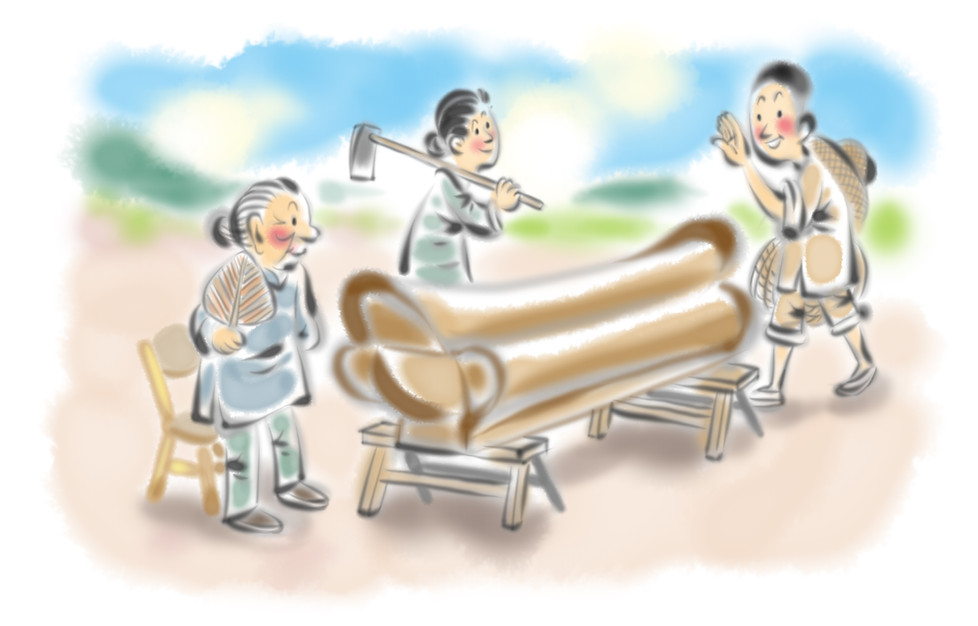
中國人大多有儲蓄習慣,但儲的是金銀財寶、田舍。聽過「儲棺材」的人甚少,我可以負責任的說確實有,年齡和我差不多的西澳人也見識過。五十年代之前,客家人的生活艱苦,年紀大的老人家,最怕死後沒錢買棺材,中國人最棹忌死後冇棺材下葬,要捲蓆皮。因此在生之年有能力時,有人買定棺材放在家裏,以備死時之需。小時,我的鄰居太婆,約七十多歲時已買下棺材放在小屋,這間放雜物的小屋經常中門大開,路過的人都能看見屋內的棺材,久不久還會搬出外面晒太陽。最初覺得有點恐怖,後來見得多便習以為常了。這位太婆到八十多歲才仙逝,棺木放得太久已被白蟻所蛀不能用,她的家人只好花錢另買一副。以前村民生活上的困苦,不是現代人可以想像的。
Most Chinese people have the habit of saving money, but the money they save is gold, silver, treasures and land. Few people have heard of "saving coffins", but I can responsibly say that they do exist, and people of Sai O around my age have seen them.
Before the 1950s, the Hakka people lived a hard life. The old people were afraid that they would not be able to afford to buy a coffin when they died, and the Chinese people were most anxious to be buried without a coffin and had to roll up mats. Therefore, when they can afford it, some people will buy a coffin and keep it at home in preparation for their death.
When I was young, my neighbour's old lady bought a coffin and put it in her hut when she was in her seventies. The door of this hut, which housed all sundry things, was often left wide open, so that passers-by could see the coffin inside the hut, and the coffin would be taken out to bask in the sun for a long time. At first, I found it a bit scary, but as I saw it more often, I became accustomed to it. This old lady died at the age of 80 or so, and her family had to spend money to buy another coffin because the termite infested coffin had been left there for too long and could not be used. In the past, villagers lived in hardship that is beyond the imagination of modern people.

